.svg)
.svg)
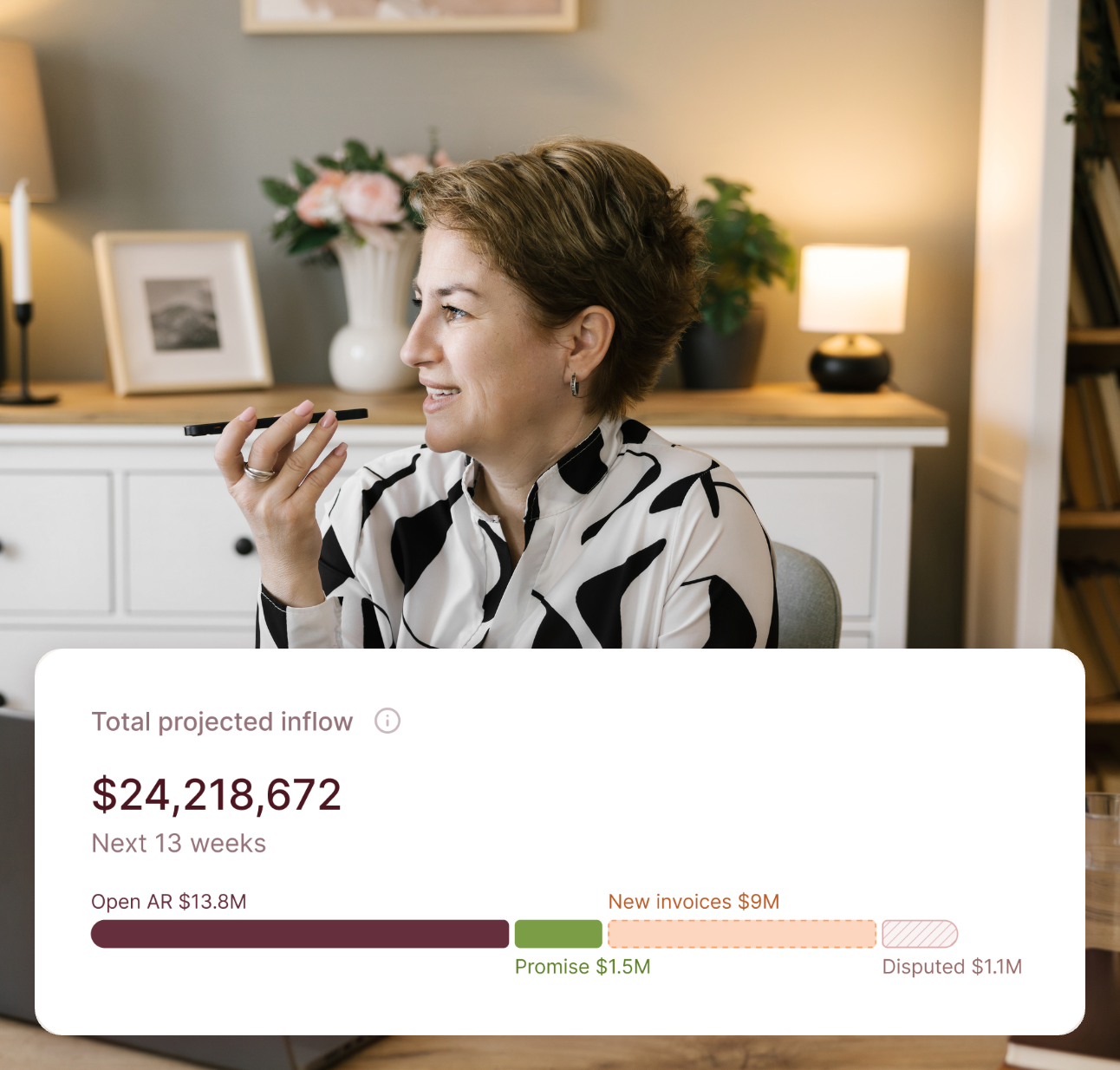
The 2026 Citi Hildebrandt Client Advisory, an annual report on the legal industry, found the average law firm collection cycle grew from 115 days to 134. Here's how Oddr and Daylit each go after that gap, and where each one is the better fit.
TL;DR
- Both are going after law firms: Oddr has been in legal since at least 2023, with named firms like Vorys and Ward and Smith. Daylit is newer to legal, runs on top of Aderant and the billing inbox, and is seeing strong demand from large law firms.
- They focus on different halves of the cycle: Oddr's published strength is billing, getting accurate invoices out fast. Daylit's is collection. It works out why each sent bill is still unpaid, then routes it to the person who can fix it.
- DSO is unsettled: Oddr claims a 30% reduction and Daylit claims up to 50%, and neither publishes a baseline.
- Three rows have no Oddr figure: Oddr publishes nothing for implementation time, dispute resolution time, or on-time payment lift.
- Oddr has the longer track record, Daylit the collection features: Oddr can point to named law firms. Daylit opens a tracked case for every dispute and has built-in invoice financing, and Oddr describes neither.
Why This Comparison Is Worth Your Time
If you run billing or collections at a law firm, Oddr is probably one of the first names you've heard in AI for revenue operations. It's a real platform, used by firms including Vorys, Sater, Seymour and Pease, and Ward and Smith. Oddr says it was developed with more than 80 firms across the Am Law 100, Am Law 200, and NLJ 500.
In August 2026, Oddr announced AI-powered collections at ILTACON, ILTA's annual legal technology conference, with early access for select firms ahead of general availability later this year. None of that is in dispute.
Daylit is newer to legal, and it was built AI-native from the start. It connects to Aderant and the billing inbox and does the work of collections on top of them. The question worth working through is which part of your revenue cycle is actually stuck, because the two platforms were built to fix different parts of it.
What to Demand From Any AR Platform Before Comparing Anyone
Before the row-by-row breakdown, here's what any platform should be able to show your firm without hedging:
- A timeline tied to your own system: not "it depends," but a number for your own Aderant or Elite 3E setup.
- A reason for every unpaid bill: a named process for finding out why a bill is stuck, not just a reminder schedule.
- Proof of what happens to cash when a client is slow to pay: not just faster follow-ups.
- Workflows that follow how your firm already works: routing to the right biller or billing attorney, not one script every firm gets.
Measure both platforms against that list, not against each other's marketing.
The Comparison, Not the Pitch
Every figure below comes from Daylit's or Oddr's own published materials, and where a number doesn't exist publicly, we say so instead of implying one. These thirteen rows are the ones that actually change whether an AR platform fits a law firm: five measured results, then eight everyday AR tasks where the real question is whether an agent does the work or a person does. Daylit's legal work is newer, so its numbers come from its full book of companies across industries. Figures last verified September 29, 2026.
Here's the whole comparison in one view, with every figure explained underneath:
| Metric / Feature | Daylit | Oddr |
|---|---|---|
| Measured metrics | ||
| Implementation time | From 72 hours | N/A |
| DSO reduction | Up to 50% | Up to 30% |
| Dispute resolution | 10x faster | N/A |
| On-time payment lift | Up to 40% | N/A |
| Return on investment | >10x | N/A |
| How Daylit leverages AI agents | ||
| AI phone calls (inbound + outbound) | Agent calls | Manual phone calls, AI-written brief |
| Auto-tags dispute codes | Agent tags | Manually tagged by collectors |
| Daily AI prioritization | Agent ranks | AI-ranked, finance team decides |
| AI dunning emails | Agent drafts, calls and sends | AI-drafted, rules-based reminders |
| Invoice financing | Built-in | Not offered |
| Auto-updates customer segmentation | Agent segmentation | Manually updated |
| Forecast updates with promises and disputes | Agent updates from inbox | Updated from payment history only |
| Auto-tracks promises to pay | Agent logs | Manually logged by collectors |
Taking It Apart, Row by Row
DSO reduction: Daylit reports up to 50% reduction. That's a ceiling, not an average. Oddr's legal billing page shows "30% Reduction in DSO," and Oddr doesn't say whether that's an average, a best case, or how it was measured. Neither side publishes a baseline.
Oddr also cites four collection figures across two pages, none with a definition:
- Legal billing page: "19% Faster Collection" and "Get paid 30% faster."
- Solutions page: "30% Faster Collections" and "25% Reduction in Aged AR."
Implementation time: Oddr doesn't publish a timeline. Its own page says "implementation timelines vary by firm size and integration scope." Charles Collins, Director of IT at Ward and Smith, says the firm reached "a fully operational environment in a few weeks."
Daylit's published 72 hours covers its nine native ERP and accounting systems: SAP, Sage, NetSuite, Epicor, QuickBooks, Microsoft Dynamics 365, Xero, Zoho Books, and FreshBooks. On legal systems, Daylit connects to Aderant and the billing inbox, while Oddr integrates with Elite, Aderant, Chrome River, and Intapp.
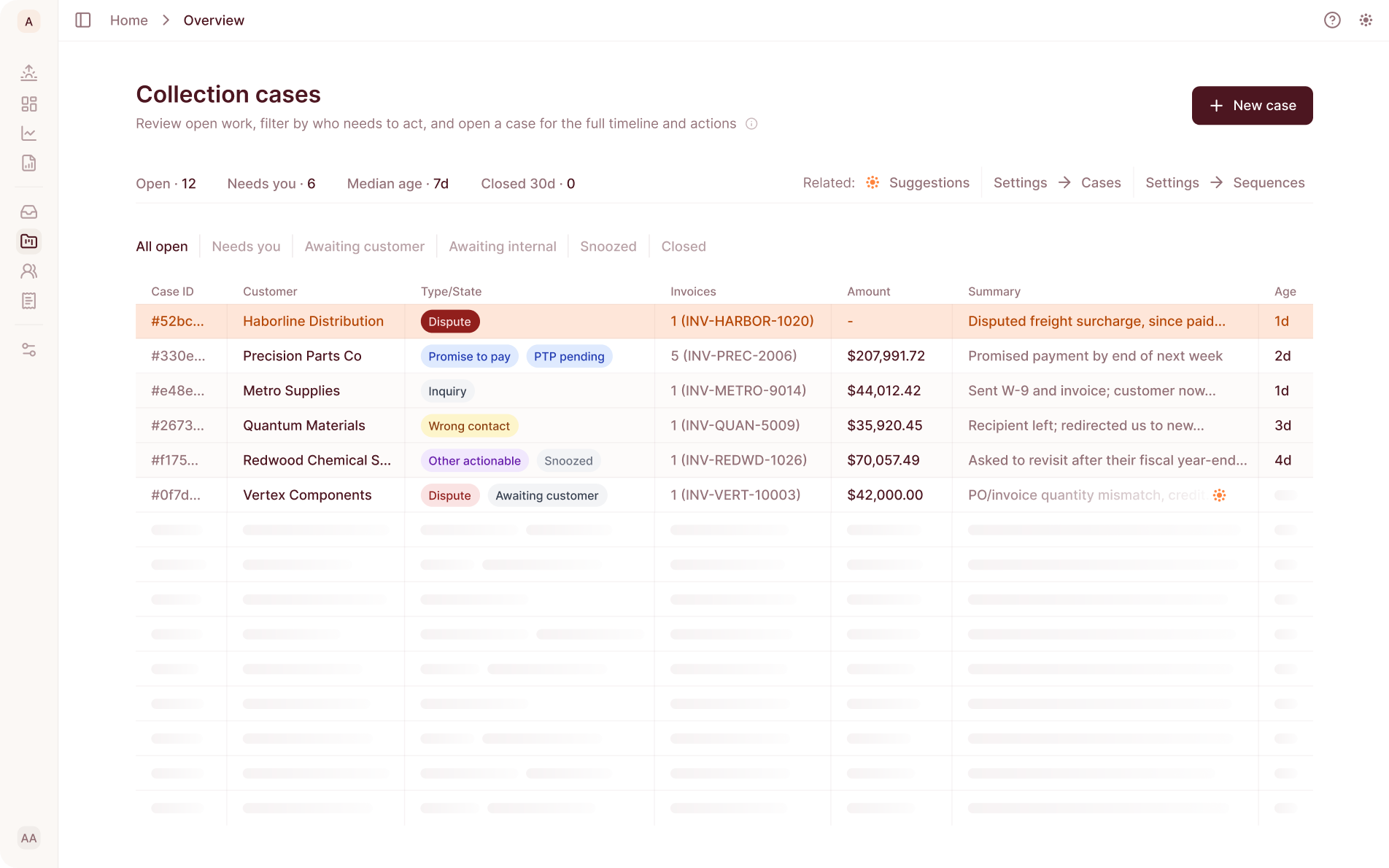
Dispute resolution: Every dispute at Daylit opens as its own tracked case, called a Collection Case. Daylit cuts the time from dispute opened to dispute resolved by 10x. Oddr doesn't publish a resolution-time figure, and its public site doesn't describe a workflow for client disputes.
On-time payment lift: Daylit reports a 40% increase in on-time payment versus fixed-interval dunning. It gets there by flagging payment risk a week or two before the due date and timing outreach per client.
Oddr doesn't publish this metric. Its closest figure is a 25% reduction in aged AR, which is related but measures something else.
Return on investment: Daylit reports a return of more than 10x on what teams spend on the platform. Oddr's homepage says "most firms achieve an ROI of 1% of total firm revenue." That measures something different, a share of revenue rather than a return on spend, so the two can't be compared directly and the table leaves Oddr's cell as N/A.
AI phone calls: Daylit's agent handles calls in both directions. It answers inbound calls from clients, and it runs an outbound collections call once a collector starts it: it recognizes a voicemail greeting instead of talking into it, routes a wrong number into a case, and writes the outcome back to the account. Before any outbound call connects, Daylit checks opt-outs, do-not-call lists, the contact's local calling hours, and a cap of seven calls to one number in seven days.
Oddr's Collections Agent prepares "a call brief to guide the conversation," so a person makes the call. It's in early access, with general availability "later this year". We found no AI-run calling on Oddr's site.
Auto-tags dispute codes: Daylit reads client statements against amounts owed and tags the reason each bill is unpaid. For a law firm, that reason might be a fee the partner is negotiating, a query waiting on the billing partner, or a payment applied to the wrong matter. Each firm defines its own dispute reasons, the agent classifies every dispute against them, and a collector corrects the tag only if it's wrong. Each dispute opens as a Collection Case, and follow-up on that bill stops automatically the moment the case opens.
Oddr's bill preparation includes "rules-based validation, exceptions management, metrics, and dashboards" (January 2024), which catches problems before a bill goes out. Its AI collections agent, announced in August 2026, is "currently in development." It will surface priority accounts and recommend a next step, such as a follow-up email, a call, or an escalation to the attorney. Oddr says "finance teams stay in control of every decision." We found no dispute tagging or client dispute workflow anywhere on Oddr's site.
The two handle different moments: Oddr's exception handling sits before the bill is sent, and Daylit's sits after the client pushes back on it.
Daily AI prioritization: Both platforms rank accounts with AI. Daylit ranks each collector's worklist every day from live account data, using weights your AR manager sets, so the list follows your firm's own collection policy. Oddr's platform page describes "AI-prioritized outreach based on AR risk, age, and client behavior," and its Collections Agent will surface "the accounts that matter most today," with finance teams staying "in control of every decision." We found no mention of firms adjusting how Oddr's ranking is weighted.
AI dunning emails: Daylit's agent drafts every dunning email, and your auto-vs-review rules decide which ones go out without a person, so your team only reviews the ones you've asked to see. Oddr's platform "dynamically drafts follow-up emails," and its August 2026 release added "AI-drafted, context-aware collections emails with tone controls, and automated follow-up sequences." Its earlier invoice-to-cash release describes "automated, rules-based reminders and internal escalations." Its Collections Agent prepares drafted emails for a collector to act on. Daylit is also building text messaging for outreach.
Invoice financing: FundNow buys the invoice directly from inside the platform, so cash lands today instead of on the client's timeline, with no separate financing relationship to set up. We found no financing offering anywhere on Oddr's site. This is the only row with no contest.
Auto-updates customer segmentation: Daylit's Smart Labels recompute on every sync, and Label Effects moves a client into or out of a sequence or collection program the moment their label changes, with a "Why this label?" note on every automatic label. Oddr's platform page describes AI-prioritized outreach and "smart workflows that assign tasks across billing, collections, and attorneys," but we found no client segmentation.
Forecast updates with promises and disputes: Daylit's Cash Flow Forecast gives a 13-week view weighted by how each client actually pays. When a client promises a date or raises a dispute by email, the agent shifts that bill's predicted date, and the forecast refreshes nightly. Oddr's CashPredict (August 2024) offers 12-month projections, and its platform page says its models "predict payment timing based on actual behavior." Oddr looks further out, but we found no mention of promises or disputes feeding its forecast.
Auto-tracks promises to pay: When a client promises a payment date in an email, Daylit's agent logs it on the account and moves the forecast to match. We found no promise-to-pay tracking described on Oddr's platform page or in its Collections Agent announcement.

We'll walk them through Daylit with you and show you the reason behind each one, and who at your firm can fix it.
Who Does the Work
Oddr has built a lot of automation around the bill itself. On collections, its published materials keep a person at every step. Its Collections Agent, still in early access, "handles the analysis and preparation" while finance teams "stay in control of every decision." Daylit's agents carry the collection work on their own, under rules your firm sets for each case type.
Some of the work already runs on its own at both:
- Ranking the book: both rank accounts with AI. At Daylit, the ranking follows weights your AR manager sets.
- Drafting follow-ups: both draft collection emails with AI, and Oddr adds rules-based reminder sequences.
Three more tasks show where the two models split:
Every client reply gets read and sorted. Daylit's agent reads each reply in the billing inbox, tags why the bill is unpaid against reasons your firm defines, and opens a Collection Case for any dispute, with follow-up on that bill paused. We found no dispute tagging or client dispute workflow on Oddr's site.
A promise to pay moves the forecast. When a client commits to a date by email, Daylit's agent logs it on the account and shifts that bill's predicted date. We found no promise-to-pay tracking on Oddr's site, and its forecast runs on payment history.
The call gets made, not just prepared. Daylit's agent answers inbound calls and runs outbound calls once a collector starts one, then writes the outcome back to the account. Oddr's Collections Agent prepares "a call brief to guide the conversation," so a person makes the call.
Count the client replies, disputes, and promises your team logged by hand last month, and ask who would handle each one under each model. That's where the headcount difference shows up.
Where Daylit Is Deliberately Different
Being newer to legal means Daylit didn't start from a billing system. It started from the unpaid bill, and it treats each one as a question to answer, not a date to chase.
A 90-day bill might be stuck on a fee the partner is negotiating, a short pay waiting on appeal, or a payment applied to the wrong matter. They sit in the same aging bucket and need three different people. Daylit sits on top of Aderant and the billing inbox, reads every client reply, and works out which of those it is. Then it routes the bill to the biller or billing attorney who can fix it.
FundNow is built into the same platform because a firm's cash shouldn't depend entirely on how fast its clients pay.
And because Daylit works on top of the billing system a firm already runs, there's no billing migration before it starts collecting. Bills keep going out exactly the way they do today.
Where Oddr Is the Right Call
If your problem is getting bills out the door and paid, that's Oddr's ground. Oddr generates LEDES-compliant e-bills and submits them to corporate and insurance clients, and it takes payments through OddrPay and reconciles them automatically. That's a different job from Daylit's, which starts once the bill has gone out.
Oddr also handles hourly, flat, contingency, and retainer billing. It sends bills through "secure, encrypted links" and shows whether each one was sent, received, or opened. It connects to Chrome River and Intapp.
Oddr also has the longer legal track record. Vorys cut the time required to send invoices by 75%.
The Real Question Is Which Half of Your Cycle Is Stuck
Daylit leads on the collection side. It's the only one of the two with published figures for dispute resolution and on-time payment, the only one whose agents read every client reply and make the call, and the only one with built-in invoice financing.
Oddr built a strong platform around how law firms bill and review, and on billing and legal-specific integrations it's ahead today. That's also why this doesn't have to be a choice. Daylit runs on top of Aderant and the billing inbox instead of replacing how bills go out, so a firm already on Oddr can add Daylit for collections without changing its billing. Some firms will end up running both: Oddr to get the bill out, Daylit to get it paid.
So run one test before your next call. Pull your fifteen largest balances over 60 days and write one sentence per balance saying why it hasn't been paid, with evidence. If the sentences come easily, your problem is getting bills out and prioritized, and that's Oddr's ground. If most come back as "chasing" or "unknown," you have a diagnosis problem, and that's the one Daylit is built for, whichever system sends your bills.
Frequently Asked Questions
What is Daylit, exactly?
An AI accounts receivable platform that does the work of collections. For law firms, it connects to Aderant and the billing inbox, works out why each bill is unpaid, and routes it to the right biller or billing attorney. FundNow, built into the same platform, converts outstanding invoices to cash without a separate factoring relationship.
Is Daylit actually built for law firms?
Daylit is newer to legal than Oddr, and it was built for the problem law firms describe most: bills that went out on time and still sit unpaid. It runs on top of Aderant and the billing inbox, routes each bill to the right biller or billing attorney, and gives billing attorneys their own portfolio view.
Is this fair to Oddr?
Every Oddr figure here comes from Oddr's own website, case studies, and announcements, linked throughout. Where Oddr hasn't published a number, the page says so instead of implying one.
What does Oddr actually do better?
Billing and payment. It generates and submits LEDES e-bills, takes payments through OddrPay and reconciles them, and supports hourly, flat, contingency, and retainer billing. It also offers secure invoice delivery with status tracking and internal bill review before bills go out. It integrates with Chrome River and Intapp, and has published results from named law firms.
How long does Oddr actually take to implement?
Oddr doesn't publish a timeline, saying only that it varies "by firm size and integration scope." Charles Collins, Director of IT at Ward and Smith, says the firm reached "a fully operational environment in a few weeks."
Oddr's AI collections agent sounds like what Daylit does.
Oddr announced it in August 2026 and describes it as "currently in development." It will recommend an action for each priority account and prepare the email, call brief, or attorney note, while finance teams make every decision. Daylit's agents work each case through its playbook automatically, following the rules your firm sets.
Why does this page keep saying Oddr "hasn't published" a number?
Because a comparison only means something if every number in it holds up. Three of the thirteen rows have no Oddr figure at all, Oddr's ROI figure uses a different measure from Daylit's, and on three more we couldn't find the capability described anywhere on Oddr's site. The honest reading is that Oddr hasn't said, not that Daylit has proven it's ahead there.
Enter your revenue, DSO, team size, and invoice volume to get an itemized breakdown of your savings.