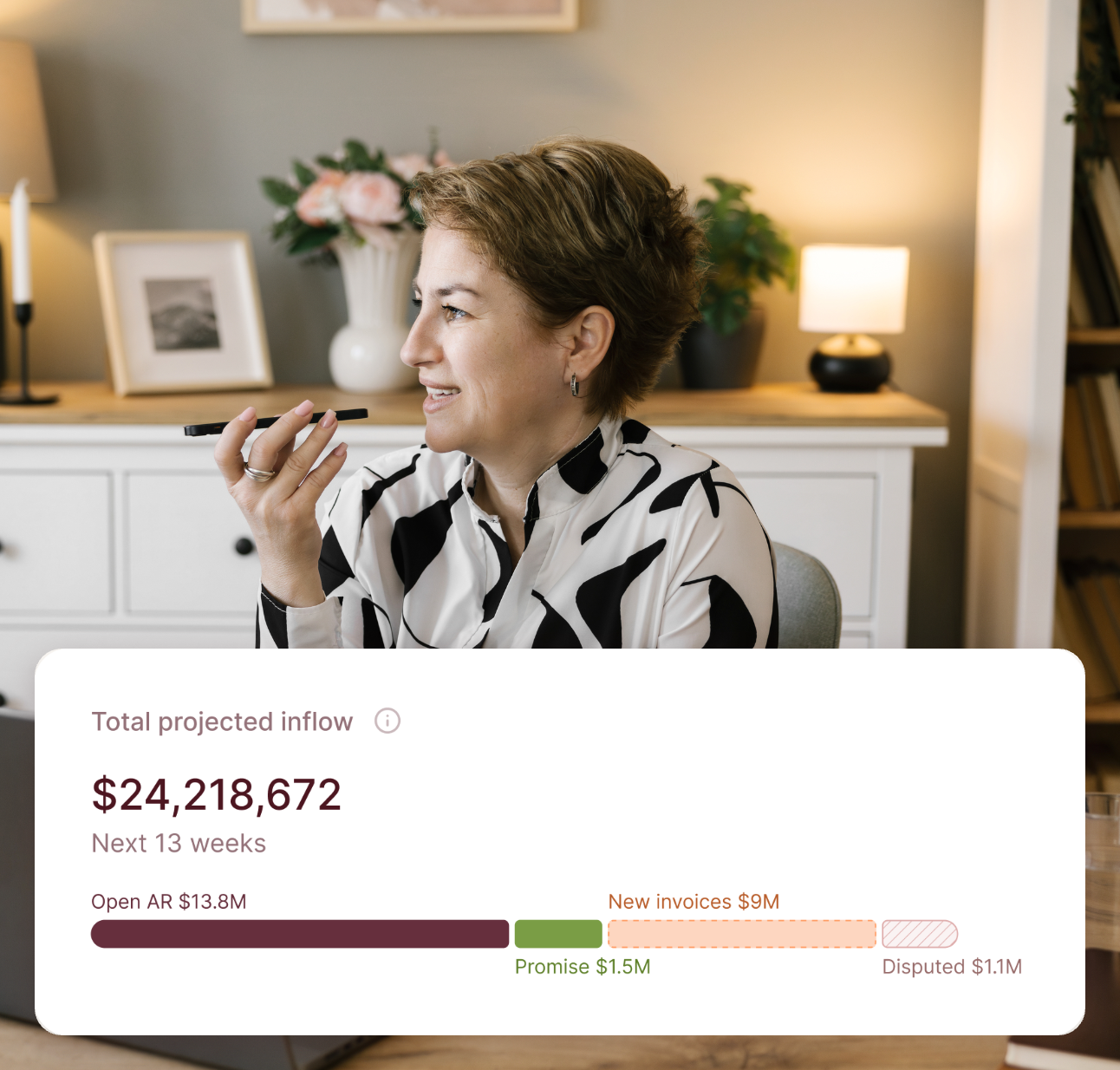
In today’s fast-paced digital landscape, businesses are seeking more than just software solutions from their vertical SaaS and ERP providers—they’re looking for complete tools that help them grow and navigate financial challenges. For many companies, especially small and medium-sized enterprises (SMEs), access to working capital is a critical need, often determining whether they can expand, improve operations, or even maintain day-to-day functions.
To meet this growing demand, vertical SaaS and ERP platforms are beginning to embed lending solutions directly into their software. This integration provides businesses with the financial tools they need while keeping them within the platforms they already rely on. By embedding lending, software providers not only add significant value for their users but also open new revenue streams and strengthen customer loyalty.
What is Embedded Lending?
Embedded lending refers to the seamless integration of lending services directly into a platform or application, allowing businesses to offer financing options at the point of need. Rather than requiring users to seek external loans or credit, embedded lending provides access to financing within the same platform they already use for their operations, such as an ERP system or e-commerce platform. This simplifies the borrowing process, speeds up approval times, and creates a more convenient experience for users. It even lowers rates!
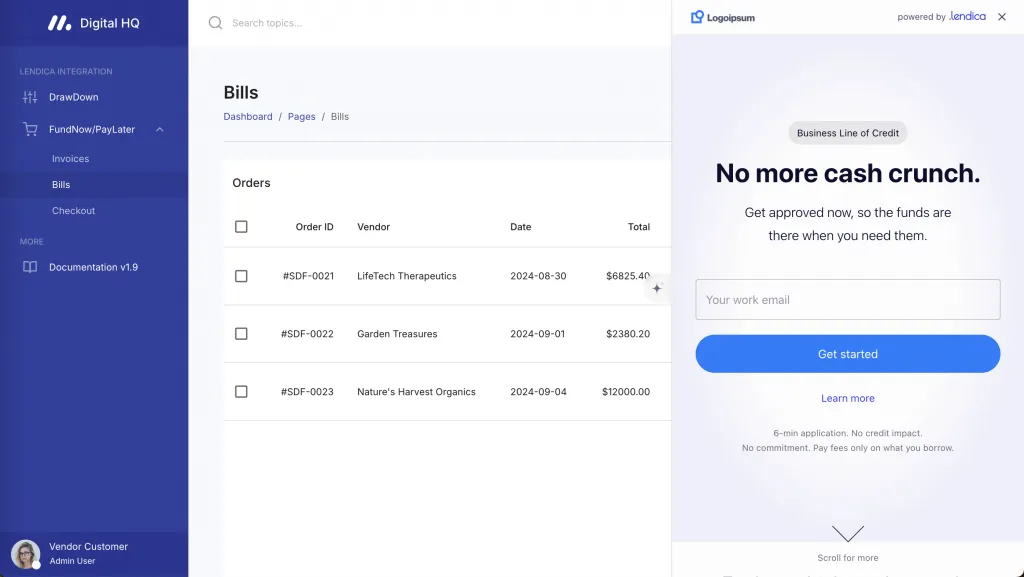
For example, a vertical SaaS company focused on online retail might offer embedded lending by allowing customers to finance their purchases with a buy-now-pay-later option integrated into the checkout process. A business customer purchasing $10,000 worth of products can choose to finance the transaction with flexible payment terms.
In an embedded lending workflow, the lender evaluates the application within or alongside the software experience. Approval, terms and timing depend on the applicant and the lender’s requirements.
Why Your Customers May Need Embedded Lending Solutions
For SMEs, accessing capital can be a major hurdle. Traditional lending processes are often slow, cumbersome, and difficult to navigate, with many businesses struggling to secure the funding they need in time to address pressing concerns. As a result, companies may face cash flow shortages, limiting their ability to grow, invest in new projects, or even meet immediate operational needs.
This is where vertical SaaS and ERP platforms have a unique opportunity. By embedding lending services directly into their software, they offer users a simple, streamlined way to access working capital without leaving the platform. With this integration, users can secure financing quickly and efficiently, enabling them to focus on running their business.
How Embedded Lending Adds Value
When vertical SaaS and ERP platforms offer embedded lending, they provide users with a seamless financial solution that’s fully integrated with their operational tools. Here’s how this benefits both the software provider and the end-user:
- Solving Cash Flow Challenges: By offering tailored lending options, platforms can help users bridge cash flow gaps, fund new projects, or purchase critical materials without needing to apply through traditional banks.
- Enhanced User Experience: Embedded lending keeps users within the software environment they’re familiar with, reducing the friction of dealing with external lenders and manual application processes.
- Increased Customer Retention: When businesses know they can rely on their SaaS or ERP platform for both operational management and financial support, their loyalty increases, reducing churn and improving lifetime customer value.
Embedded lending places a credit application within an existing software workflow. Evaluate user demand and the economics of the specific partnership rather than relying on a market-growth forecast.
A platform still needs to define the lender’s role, data permissions, support responsibilities and how users will understand the financing terms.
McKinsey & Company
{{embedded-finance-learn-more}}
Key Advantages to Embedded Lending
One of the key advantages of embedding lending into vertical SaaS and ERP platforms is the ability to offer financial solutions that are tailored to specific industries. SaaS platforms that cater to niche markets—whether it’s construction, healthcare, retail, or another field—have deep insights into their users’ operations and financial needs. This allows them to offer more personalized lending options than traditional financial institutions.
For instance, a SaaS platform designed for construction businesses could offer financing solutions aimed at helping companies purchase materials or cover payroll between project payments. Similarly, an ERP system for chemical businesses might provide short-term loans to help manage seasonal inventory or fluctuating demand.
Datacor, an ERP company focused on process manufacturers and distributors, partners with Daylit to offer its customers A/R and A/P loans embedded into their invoicing tools. This service allows businesses to access working capital by borrowing against future invoices, streamlining the process with a few clicks, helping businesses manage cash flow and expand more easily.
1. Drive New Revenue Streams
For SaaS and ERP providers, embedding lending is more than just adding value for users—it’s a way to unlock new revenue streams. By partnering with financial institutions, these platforms can earn referral fees, commissions, or revenue shares on lending transactions facilitated through their software.
This additional revenue can be reinvested into the platform, driving further innovation and expanding service offerings. As more users take advantage of embedded lending, the platform’s profitability increases without needing to introduce significant changes to its core product.
2. Strengthen Your Competitive Edge
In an increasingly crowded SaaS and ERP market, platforms must find ways to differentiate themselves. Embedding lending solutions is a powerful way to stand out from competitors by offering an all-in-one solution that meets both operational and financial needs.
As industries continue to shift towards digital-first solutions, platforms that offer embedded lending will be seen as leaders in innovation. By providing comprehensive tools that help users manage all aspects of their business—from operations to financing—SaaS and ERP platforms can solidify their place as essential partners in their customers’ success.
3. Future Proof Your Vertical SaaS and ERP Platform
The integration of lending solutions into vertical SaaS and ERP platforms is a natural evolution in the digital economy. By offering embedded lending, these platforms can solve one of the most pressing challenges their users face: access to capital. This not only adds significant value for users but also creates new revenue opportunities and strengthens customer loyalty.
As industries become more reliant on digital solutions to manage both operations and finances, SaaS and ERP platforms that embrace embedded lending will position themselves as leaders in their space, helping their customers thrive in an ever-changing business landscape.
{{embedded-finance-learn-more}}
Further reading
Karen Mills describes how online lenders use business data in credit assessment. See Harvard Business School’s analysis.
Related guidance: Embedded Lending for SMB Software Platforms; Daylit and CSG Forte: Embedded Business Lending.
References
- Harvard Business School: Online Banks Fill Funding Needs for Small Business. Read September 28, 2026.